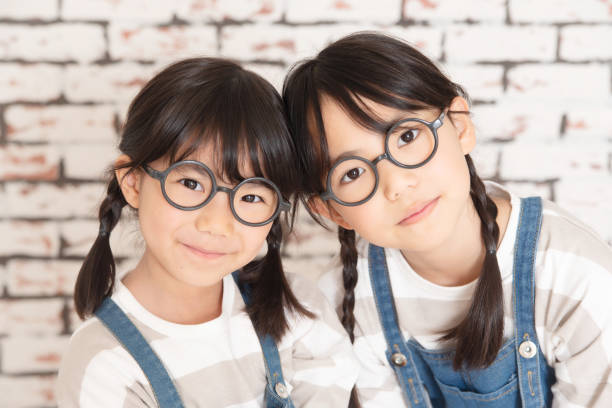

Quick Answer: Matching outfits for sisters work best when they use coordinating colors or prints rather than identical pieces in different sizes, which rarely fits well across age gaps. The most popular formats are same-print sets in separate age-appropriate cuts, complementary color pairings, and character-themed coordinated looks where each sister wears a different character from the same universe. These approaches photograph beautifully and let each girl’s personality come through.
The idea looks perfect on the mood board. Two sisters, matching outfits, matching smiles. The reality usually goes one of two ways: the older sister refuses because she thinks it’s babyish, or the younger one melts down because the fabric isn’t soft enough. Both are fixable problems with the right approach.
Matching outfits for sisters have become one of the most popular search categories in girls clothing, and the market has expanded enormously. But not all ‘matching’ sets are built the same, and the difference between a coordinated look that works across a four-year age gap and one that doesn’t comes down to a few specific decisions most shoppers don’t know to make.
Finding matching outfits for sisters that both girls genuinely want to wear requires understanding what ‘matching’ actually means across different age groups, and what makes a look feel fun instead of forced.
The Three Types of Sister Matching Outfits
When most parents hear ‘matching outfits,’ they picture identical pieces in different sizes. That’s actually the hardest version to pull off well, for three reasons: sizing differences distort identical cuts, developmental differences in body proportions mean the same silhouette can look completely different across age gaps, and older girls often resist outfits that look like a scaled-up version of something their toddler sister wears.
The approaches that consistently work better are complementary, coordinate-based, and theme-based matching. Each one solves the problem differently.
Complementary Matching
Complementary matching uses the same color palette in different pieces. Sister A wears a pink top with purple leggings. Sister B wears a purple top with pink shorts. They read as matching in photos because the colors connect, but each piece is distinct and age-appropriate. This is the easiest format to execute and the most flexible across age gaps because each outfit is chosen for the individual rather than adapted from one template.
Coordinate-Based Matching
Coordinate-based matching uses the same print or pattern in cuts designed for different ages. A floral print in a romper for a toddler and the same floral print in a skirt-and-top set for an older girl is the classic execution. The visual connection is strong without requiring both girls to wear the same silhouette. This is the format that photographs best at family events, holidays, and portrait sessions.
Theme-Based or Character-Inspired Matching
And this is where it gets interesting. Theme-based matching, particularly around character or superhero aesthetics, has exploded as a category. Each sister picks her character from the same universe, and the outfits coordinate thematically without being identical. A Wonder Woman-inspired set for the older sister and a Supergirl-inspired set for the younger one reads as matching without being infantilizing for either. This format appeals to older girls specifically because they get to choose their own character rather than wear a scaled version of what their baby sister has on.
Age Gap Realities: What Works Between Baby, Toddler, and Teen
The hardest matching scenario is the wide age gap: a baby or toddler sister and a tween or teen sister. The style preferences, body proportions, and social dynamics are completely different.
For baby-and-toddler pairs, the identical-piece approach works reasonably well if the brand actually designs for both age groups and scales the cut properly. For toddler-and-grade-school pairs, complementary matching in a shared color story is the smoothest path. For any pairing that involves a tween or teen, theme-based character matching almost always works better than trying to get an older girl to wear the same silhouette as a much younger sibling.
The teen factor is real. A 13-year-old who loves her younger sister will still resist an outfit that feels childish. The workaround is giving her the version of the theme that feels age-appropriate for her, which usually means the same color story or character universe in a cut that reads as genuinely teen-relevant.
When to Buy Matching Outfits as a Gift
Matching sets for sisters are a popular gift category for grandparents, aunts, and family friends. The practical challenge is that gifts require sizing two different children without measuring either one. A few things make this easier.
First, buy slightly large for both. Outfits that are a little big photograph just as well as perfectly fitted ones, and the kids get more wear out of them. Second, buy in a theme rather than an identical print, so the sizing doesn’t need to be perfect for the look to work. Third, if the sisters have a shared fandom or character interest, that theme is almost always the right anchor for the purchase.
Grandparents who know a granddaughter’s favorite character but aren’t sure about size can lean into character-adjacent styling in a size range rather than hunting for an exact size. A superhero-themed coordinated set in a size range that covers both girls is far more likely to land well than a perfectly sized but style-neutral alternative.
The Photograph Factor: What Actually Looks Good
Parents who are buying matching outfits for a specific occasion, portrait session, or holiday photo should think about contrast as much as color. Two sisters in identical outfits in the same color can flatten in photos. Two sisters in complementary outfits where one wears the primary color and the other wears the accent create more visual interest and show each girl’s individuality.

The classic portrait combination: a shared graphic or character theme, each girl in a slightly different color of the same palette, both outfits in the same material weight so they read as cohesive rather than haphazard. This photographs better than identical-and-matchy almost every time.
Frequently Asked Questions
What are the best matching outfits for sisters with a big age gap?
Theme-based or character-inspired matching works best across wide age gaps. Each girl wears a character or color from the same universe but in a cut designed for her age group. This avoids the problem of identical silhouettes that look age-appropriate for one sister but not the other.
How do I find matching outfits for sisters without buying the exact same piece twice?
Coordinate-based matching, using the same print in different cuts, and complementary color matching are both effective. These approaches create a strong visual connection in photos without requiring identical pieces, and they accommodate body and style differences across age groups much better than true identical matching.
Are matching sister outfits a good gift idea?
Yes, particularly for grandparents and extended family who want to give something memorable. The best gift approach is to choose a theme the sisters share rather than trying to size two identical pieces perfectly. Character-inspired or theme-coordinated sets are more forgiving of sizing variation and more likely to please both girls.
What’s the difference between matching and coordinating sister outfits?
Matching outfits are identical pieces in different sizes. Coordinating outfits share a color, print, or theme without being identical. Coordinated approaches almost always look better in practice and photographs, and they’re easier to size correctly across different age groups.
How do I get an older sister to agree to matching outfits with her younger sibling?
Give her meaningful choice. Let her pick her character or color within the agreed theme, and make sure her version of the outfit looks genuinely age-appropriate for her rather than like a scaled-up younger sibling piece. Teens and tweens who feel ownership over their look are far more likely to cooperate and actually enjoy the experience.