

My coworker tried one of those tying kits on a skin tag last year, the ones that cut off blood supply with a tiny band until the thing just falls off on its own. Bought it online for like twelve bucks, figured it beat paying a clinic for something so minor. Ended up with an infection two days later, swollen and painful enough that she wound up at urgent care anyway, paying way more than she’d have spent just booking a proper appointment from the start.
She’s not the only one, either. A quick scroll through any forum on this topic turns up a pretty steady stream of similar stories, people trying to save a small amount of money and ending up spending more, sometimes with an actual scar to show for it afterward.
Why the DIY Route Tempts People in the First Place
It looks so easy online. A video shows someone snip off a skin tag with cuticle scissors in ten seconds, no big deal apparently. Kits get marketed as painless and quick, and for something that small, paying a clinic can genuinely feel like overkill to a lot of people weighing their options.
Here’s what actually tends to go wrong with the at-home approach:
- Infection risk from unsterilized tools or incomplete removal at home
- No way to tell if a growth is actually a mole or something else entirely
- Scarring from improper technique or removal at the wrong depth
- Excessive bleeding if the growth has more blood supply than expected
- Missing an early warning sign because nobody trained looked at it first
That second point matters more than most people realize going in. Skin tags and certain early skin cancers can look surprisingly similar to an untrained eye, and removing something at home skips the one moment someone could’ve actually caught a real problem early.
What Actually Goes Wrong When It’s Rushed
Tying kits cut off circulation gradually, which sounds simple but often takes days, sometimes longer, and during that stretch the area’s genuinely vulnerable to infection if it’s not kept clean properly the whole time. Cutting tools bring their own risk, wrong angle or unclean scissors and suddenly there’s a wound that won’t stop bleeding or starts looking inflamed within a day or two.
My coworker’s infection started small, just some redness she figured would pass. By the time she actually went in, it had spread enough that antibiotics were needed, plus a follow-up visit just to make sure everything cleared up properly afterward.
What a Professional Actually Adds to the Process
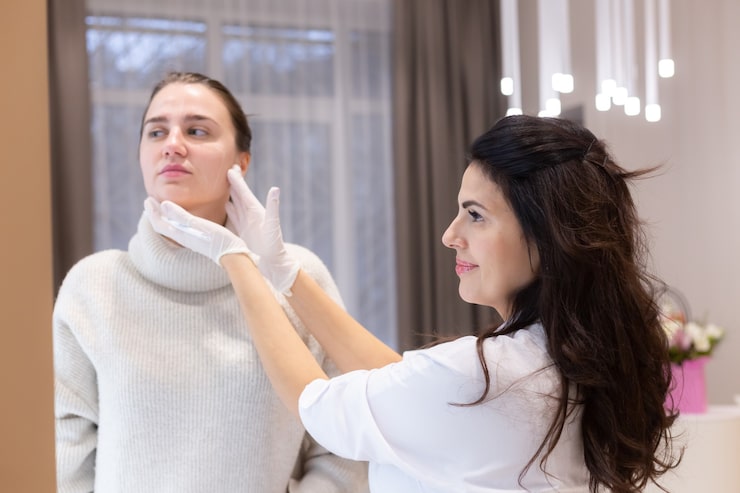
The value isn’t just technique, though that matters plenty too. It’s someone trained actually looking at what’s being removed before doing anything, catching the rare case where a growth needs closer attention rather than a quick snip. A proper skin removal treatments visit includes that assessment as a standard part of the process, not some optional extra tacked on for people who ask.
Sterile technique matters here too, obviously. Clinics use tools meant for this exact purpose, properly sterilized, in a setting built around minimizing infection risk from the start rather than hoping for the best with a kit bought online.
Weighing the Actual Cost Difference
A kit runs maybe ten to twenty dollars upfront. A clinic visit costs more, sure, but factor in the actual odds of something going sideways, an infection, a missed diagnosis, a scar that wasn’t necessary, and the math shifts pretty fast once real numbers get involved.
My coworker’s urgent care visit alone cost several times what a clinic appointment would’ve run her, and that’s before counting the days spent dealing with an infection that never needed to happen at all.
Conclusion
Small growths, especially ones in visible spots or ones you’re even slightly unsure about, are worth having someone trained actually look at before attempting anything yourself. Most clinics offering skin removal treatments, including skin tag consultations, keep the whole process quick enough that there’s rarely a good reason to reach for a drugstore kit instead. The upfront cost of a proper visit is small compared to what can go wrong trying to save money on a kit that skips the one part that actually matters most.