
The skincare industry has changed dramatically in recent years. Consumers now pay closer attention to ingredients, safety, and sustainability before choosing a product. Because of this shift, two popular terms appear frequently on product labels and beauty blogs: clean skincare and natural skincare. At first glance, they may seem identical, but they actually represent different philosophies.
Understanding the difference helps shoppers choose products that match their skin needs and personal values. While natural skincare focuses on ingredients sourced from nature, clean skincare emphasizes safety, transparency, and the absence of harmful substances. In this article, we will break down these concepts clearly so you can confidently decide which approach fits your skincare routine.
How Do Clean Skin Care Products Differ From Natural Skin Care Products?
The core difference between these two categories lies in how products are formulated and evaluated.
Clean skincare products are designed to avoid ingredients that research suggests may harm skin health or overall well being. Brands that follow the clean beauty approach carefully review ingredient safety and eliminate substances such as parabens, sulfates, and synthetic fragrances. These products may include both natural and carefully tested synthetic ingredients as long as they are proven safe.
Natural skincare products, on the other hand, rely primarily on ingredients derived from plants, minerals, or other natural sources. The focus here is less about safety testing and more about maintaining ingredients that originate from nature.
For example:
-
A clean moisturizer may contain a safe lab created ingredient that improves skin hydration.
-
A natural moisturizer may rely on ingredients like shea butter, coconut oil, or aloe vera extracted directly from plants.
The important thing to remember is that natural does not automatically mean safe, and clean does not necessarily mean fully natural.
Key Differences at a Glance
To make the distinction clearer, here are a few simple comparisons:
-
Clean skincare prioritizes ingredient safety and transparency
-
Natural skincare prioritizes plant based or nature derived ingredients
Some natural ingredients can actually irritate sensitive skin. For instance, essential oils such as peppermint or citrus oils may cause redness for certain skin types, even though they are natural.
Benefits of Choosing Clean Skin Care Products
Many skincare enthusiasts prefer clean beauty because it focuses on long term skin health and ingredient transparency.
Clean skincare brands often conduct extensive research to ensure each ingredient meets modern safety standards. This approach helps consumers avoid controversial chemicals that may trigger allergies, breakouts, or irritation.
Another advantage is that clean beauty brands frequently combine science with nature. They may use plant extracts along with dermatologist approved ingredients to create effective formulas.
Example:
A clean face serum may combine hyaluronic acid with green tea extract. The hyaluronic acid deeply hydrates skin while the green tea provides antioxidant protection.
Pro Tip:
When shopping for clean skincare, always read ingredient lists instead of relying only on marketing labels. Some brands claim to be clean without following strict ingredient standards.
Understanding Natural Ingredients in Skin Care
Natural skincare attracts people who prefer simple formulas and plant based ingredients. Many consumers appreciate the idea of using botanical extracts that have been trusted for centuries.
Common natural skincare ingredients include:
-
Aloe vera for soothing irritated skin
-
Rosehip oil for improving skin texture
-
Green tea extract for antioxidant protection
However, natural skincare products can still contain preservatives or additives to maintain product stability. Without them, products may spoil quickly or grow bacteria.
Another factor to consider is that natural ingredients vary in quality depending on sourcing and processing methods. A poorly extracted botanical ingredient may lose many of its beneficial properties.
Because of this, high quality natural skincare brands often emphasize organic farming, ethical sourcing, and minimal processing.
Which Option Is Better for Your Skin?
There is no universal answer because skincare needs vary from person to person.
People with sensitive or acne prone skin often prefer clean skincare products because the formulas avoid common irritants and focus on tested ingredients. Meanwhile, individuals who favor eco friendly and plant focused lifestyles may gravitate toward natural skincare.
Many dermatologists suggest a balanced approach. A routine that combines safe science backed ingredients with gentle botanical extracts can deliver the best results.
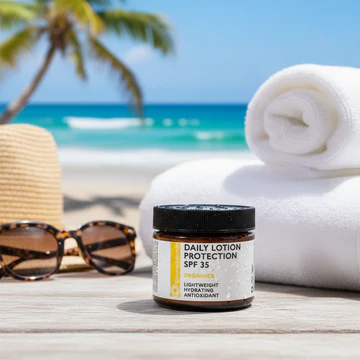
For example, a skincare routine might include a clean cleanser, a natural face oil, and a scientifically formulated sunscreen. This combination allows you to benefit from both philosophies.
Conclusion
Both clean and natural skincare aim to promote healthier skin, but they approach the goal differently. Clean skincare emphasizes ingredient safety, scientific research, and transparency. Natural skincare highlights ingredients derived from plants and nature.
Understanding how do clean skin care products differ from natural skin care products helps consumers make smarter choices based on their skin type and personal values. Instead of focusing only on labels, always check ingredient lists and choose products that suit your skin’s specific needs.
Ultimately, healthy skin comes from consistency, balanced ingredients, and informed decisions.